Common mistakes couples make with Gants Hill wedding flowers
Posted on 17/10/2026
Wedding flowers look simple from the outside. You choose a few favourites, match the colours, and turn up on the day, right? In reality, the floral side of a wedding can be one of the easiest places to make expensive, stressful, and very visible mistakes. If you are planning Gants Hill wedding flowers, the details matter more than most couples expect. A bouquet can look gorgeous online and still feel wrong in your hands. A centrepiece can look full in a photo and then disappear in a large reception room. And yes, the timing can unravel faster than you'd think if the florist, venue, and transport plan are not aligned.
This guide breaks down the most common mistakes couples make with Gants Hill wedding flowers, why they happen, and how to avoid them without turning the whole process into a second full-time job. We'll cover budgeting, seasonality, venue fit, colour planning, setup timing, practical order choices, and a few local realities that are easy to overlook when life is busy and the guest list keeps changing.
Truth be told, flowers are one of those wedding details that can quietly carry the whole atmosphere. Get them right, and the room breathes. Get them wrong, and you notice it immediately.
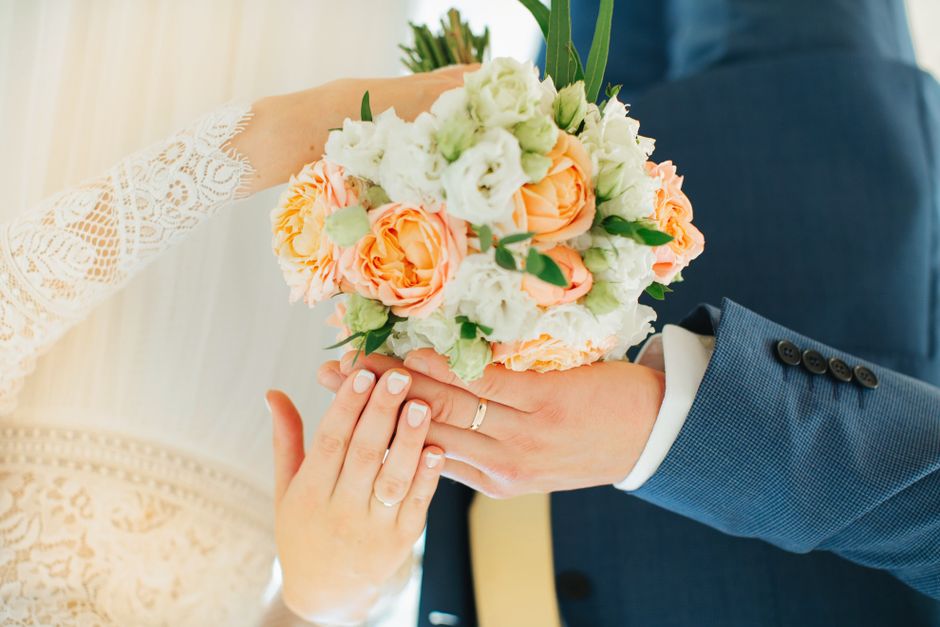
Why Common mistakes couples make with Gants Hill wedding flowers Matters
Floral mistakes at weddings are not just about appearances. They affect timing, budget, photos, comfort, and sometimes even relationships, because someone always ends up holding a very strong opinion about peonies. If you are working with a local florist or ordering from a Gants Hill florist, the choices you make early on will decide whether the day feels calm or slightly chaotic.
Flowers matter because they do several jobs at once. They set the tone for the ceremony, support the colour palette, soften the venue, create photo backdrops, and help tie the whole event together. A couple who underestimates this often ends up overspending on the wrong things or scrambling for last-minute fixes. And last-minute wedding decisions? They are rarely graceful. Bit of a mess, usually.
In Gants Hill, couples also tend to juggle practical issues such as venue access, delivery windows, and traffic around busy London routes. Even a beautiful flower plan can become stressful if no one has checked setup timings or how long arrangements need to stay fresh before guests arrive. So the real issue is not just aesthetics. It is coordination.
Expert summary: the best wedding flower plans are not always the most elaborate ones. They are the ones that fit the venue, the season, the budget, and the day's logistics without fuss.
How Common mistakes couples make with Gants Hill wedding flowers Works
Wedding flower planning usually starts with inspiration and ends with logistics. In between, couples choose style, flowers, quantities, delivery timing, and the items they actually need. Mistakes happen when those stages are treated as separate tasks instead of one connected plan.
Here is how the process generally works when it is handled properly:
- Define the wedding style. Formal, modern, romantic, rustic, seasonal, minimal, or full-scale luxury.
- Review the venue. A small local hall, church, registry office, restaurant, or reception space each has different visual and practical needs.
- Set a realistic budget. Budget first, not after Pinterest has had its say.
- Choose the key floral items. Bridal bouquet, bridesmaid bouquets, buttonholes, ceremony pieces, table arrangements, and any entrance or cake flowers.
- Match flowers to the season and setting. Some blooms are more reliable, more available, or better suited to the time of year.
- Plan delivery and setup. Timing matters, especially for weddings where the venue has narrow access windows.
- Confirm the final list in writing. The smallest misunderstanding can become an obvious problem on the day.
Couples often skip straight from inspiration to booking. That is where trouble starts. If you have ever seen a bouquet that looked perfect online but felt awkward against a dress or overwhelmed a petite frame, you already know the issue. Scale matters. Proportion matters. Even the ribbon choice matters more than you'd expect.
Key Benefits and Practical Advantages
Getting your wedding flowers right brings more than pretty photos. It gives structure to the day and takes pressure off the people around you. That is especially useful when families are involved and everyone has an opinion about white roses versus blush peonies. You know how it goes.
- Better budget control: Clear priorities stop you from spending on low-impact extras.
- Less stress: With a defined plan, you are less likely to panic over missing items or late changes.
- Stronger visual cohesion: Flowers help unify the dress, suit, venue, stationery, and table styling.
- Improved photos: Good floral scale and colour balance make group shots and detail shots feel polished.
- More reliable freshness: Proper timing and care keep bouquets and arrangements looking their best.
- Fewer day-of surprises: A solid order list reduces the chance of awkward gaps in the ceremony or reception setup.
There is also a less obvious benefit: emotional ease. Couples often feel calmer when they know the flowers are sorted. That sounds small. It isn't. On a wedding morning, a reassuring detail can feel huge.
If you want to keep the whole experience simple, it often helps to choose a trusted local option such as wedding flowers in Gants Hill rather than trying to piece together a plan from a dozen different places. One clear point of contact can save a lot of back-and-forth.
Who This Is For and When It Makes Sense
This advice is for couples at any stage of wedding planning, but it is especially useful if you are:
- planning a local wedding in or around Gants Hill
- working with a tighter budget and want the best visual impact for the money
- choosing flowers for the first time and feeling slightly overwhelmed
- trying to match flowers with a specific dress, theme, or venue style
- organising a wedding with multiple ceremony and reception locations
- short on time and needing a practical, no-nonsense approach
It also makes sense if you already know you want something beautiful but not fussy. Some couples do not need 18 different floral elements. They just need the right few pieces placed well. A well-made bouquet, a handful of buttonholes, and a couple of thoughtful arrangements can often do more than an overcrowded floral plan.
To be fair, not every wedding needs a grand floral statement. Some need restraint. A small, elegant plan can look far more expensive than a crowded one.
Step-by-Step Guidance
If you want to avoid the most common mistakes couples make with Gants Hill wedding flowers, this is the practical route.
1. Start with the venue, not the flowers
The venue should shape the floral plan. A bright modern room needs different treatment from a darker, more traditional space. Tall arrangements can feel dramatic in one room and obstructive in another. If your venue already has strong decor, fireplaces, patterned carpets, or bold walls, the flowers should complement, not compete.
2. Set priorities before you browse too far
Decide which items matter most. For some couples, the bridal bouquet is the hero piece. For others, the ceremony arch or top table matters more. Once you know the priorities, it becomes much easier to allocate the budget fairly. Otherwise the spending drifts, and somehow the flowers for the cake table end up more expensive than the bouquet. Happens more than you'd think.
3. Be realistic about season and availability
Seasonal flowers usually offer better value and a more natural look. If you fall in love with a flower that is scarce or imported at the wrong time of year, costs can rise and substitutions become more likely. That does not mean you must stick rigidly to one bloom. It means choosing a palette and overall look that can survive a substitute or two without falling apart.
4. Match scale to the people and the space
A bouquet should suit the bride, the dress, and the way it will be carried. Table arrangements should suit table size and guest flow. Buttonholes should be subtle enough to wear comfortably. If the flowers feel oversized in your hand or cramped on the table, they probably are.
5. Agree the delivery window early
London traffic, venue rules, and setup schedules all affect delivery. Confirm the time flowers can be dropped off, who will receive them, and where they should be placed. If the venue has limited access, say so early. Small detail, big difference.
6. Confirm the full item list in writing
Do not rely on memory. That is asking for trouble. Make sure the list includes quantities, flower types if agreed, colours, ribbon details, and setup responsibilities. The more specific the order, the fewer awkward surprises you will have on the day.
7. Plan for transport, holding, and freshness
Flowers need care before the ceremony and again before the reception. Some arrangements can be kept cool and hydrated; others are more delicate. A local florist can advise on handling, but you should still know who is moving what, when, and where.
Expert Tips for Better Results
These are the small, practical things that often make the biggest difference.
- Choose one focal flower style and let the rest support it. Too many competing flowers can muddy the look.
- Use the venue as a filter. If a design looks lovely online but clashes with your room, trust the room.
- Keep bridesmaid bouquets slightly lighter than the bridal bouquet. It keeps the hierarchy clear and photographs better.
- Think about scent. Strong fragrance can be wonderful, but in a warm room it can become overwhelming.
- Ask about substitutions. A good florist should explain what might change and how they will keep the style consistent.
- Check the flowers in daylight if possible. Colours can shift under indoor lighting. That soft ivory may read very yellow by the window.
- Use a rehearsal mindset. If the bouquets, buttonholes, and table flowers all arrive at once on the wedding morning, make sure there is a plan for storage and distribution.
One simple tip that is often overlooked: keep a small box or bag ready for buttonholes, ribbon trims, pins, and any spare petals. It sounds almost too ordinary to mention, but ordinary is exactly what saves time on a busy morning.
And yes, ask plenty of questions. Better a slightly over-prepared couple than one trying to solve ribbon colour at 8:15 a.m. in a car park.
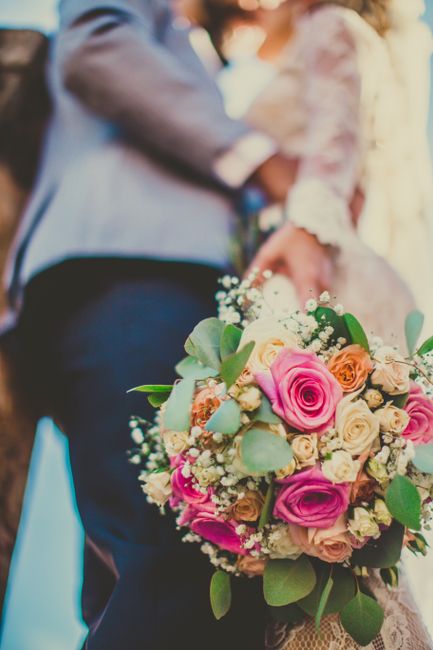
Common Mistakes to Avoid
Now to the heart of it. These are the errors couples make most often when planning Gants Hill wedding flowers.
1. Booking too late
Good florists get busy, especially for spring and summer weddings. Leaving the flowers until the last minute limits choice and can force compromises on style or availability.
2. Focusing on inspiration images instead of real requirements
Magazine-style photos are lovely, but they rarely show the full venue context. A bouquet that works in a styled shoot may not suit a real wedding timeline, real budget, or real weather.
3. Ignoring the size of the venue
Large arrangements can look dramatic in spacious rooms and bulky in intimate ones. Small arrangements in a big venue can vanish. Scale is not an optional detail.
4. Choosing too many flower types
More varieties does not automatically mean more beauty. In fact, too many flower types can make the overall design feel busy or disconnected. Sometimes restraint wins. Quietly, beautifully.
5. Forgetting about practical wear
Some bouquets are awkward to hold for long periods. Some buttonholes are too large for lightweight jackets. Some ceremony flowers block sightlines. Design should serve the day, not just the camera.
6. Not accounting for weather
Heat, cold, wind, and humidity all affect fresh flowers. A plan that looks perfect on paper may need slight adjustments if the day turns unexpectedly warm or blustery.
7. Leaving colour matching until the end
If the flowers are meant to work with dresses, ties, napkins, or signage, colours should be considered early. "Kind of blush" is not a safe specification. Neither is "something like sage but lighter."
8. Over-ordering decorative extras
It is easy to add a bit here and a bit there. Extra petals, extra arrangements, extra vases. Before you know it, the budget has crept up while the main pieces remain underdeveloped.
9. Not checking flower care instructions
Even simple bouquets can wilt if they are left in a hot room too long. Make sure someone knows where the water, shade, and holding space are. That tiny detail can protect a lot of work.
10. Assuming the florist knows every detail automatically
They do not. A florist can only work with the information provided. If you want specific colours, ribbon, style, or delivery handling, say it clearly. Kindness helps. Clarity helps more.
Tools, Resources and Recommendations
You do not need a mountain of tools to plan wedding flowers well. What you do need is a simple system. A phone note and a couple of reference photos can go a long way.
- Inspiration board: Keep it limited. Aim for a focused set of images that reflect your actual style.
- Venue notes: Write down ceiling height, table shape, entry points, and any restrictions the venue mentions.
- Colour reference: Keep swatches, dress photos, or finish samples together in one place.
- Budget tracker: Split the spend into essentials and nice-to-haves so the priorities stay visible.
- Florist discussion checklist: Ask about seasonal availability, delivery, setup, and care instructions.
If you are comparing product types, it can help to look at the florist's wedding-specific collections and bridal pieces rather than browsing everything at once. For example, the dedicated bridal bouquet options and wedding table arrangements make it easier to think in categories instead of getting lost in a long list of products. That's one of those small things that saves time and mental energy.
You may also want to compare matching pieces such as wedding buttonholes and bridesmaid bouquets so the whole look stays coherent. If you are planning a fuller floral story, the wedding collection page can help you see how the elements connect.
If you prefer a broader service route, a local flower shop in Gants Hill can often advise on practical adjustments for delivery and setup, especially when venue access is tight.
Law, Compliance, Standards, or Best Practice
Wedding flowers are not a heavily regulated product in the way some services are, but there are still sensible standards and good-practice points couples should keep in mind.
First, if your florist is delivering to a venue, check venue rules about access times, parking, loading bays, and who is allowed to set up. This is more of a venue-management issue than a legal one, but it matters a lot on the day. A florist stuck outside a closed gate with a van full of flowers is not the start you want.
Second, if you have allergies or strong scent sensitivities in the wedding party, discuss flower choices early. Some blooms are more fragrant than others, and certain combinations can be overwhelming in enclosed spaces. Sensible planning is better than hoping nobody notices.
Third, ask about freshness, handling, and any care instructions. Good florists should be able to explain how long arrangements can typically last, how they should be stored, and what to do if the weather turns. That is part of normal professional practice.
Fourth, make sure contract terms are clear. This includes delivery timing, substitution policy, payment expectations, and what happens if an item needs to be changed. You do not need a legal lecture. You do need clarity. Big difference.
Finally, if sustainability matters to you, ask about reuse, recycling, seasonal sourcing, and packaging. Many couples want beautiful flowers without unnecessary waste, and that is perfectly reasonable. Just ask in a calm, practical way.
Options, Methods, or Comparison Table
One of the best ways to avoid mistakes is to choose the right floral approach for your wedding size and style. Here is a simple comparison.
| Approach | Best for | Advantages | Common risk |
|---|---|---|---|
| Minimal bouquet-led styling | Smaller weddings, registry office ceremonies, intimate receptions | Lower cost, easier setup, neat visual impact | Can feel too plain if the venue is large or visually busy |
| Balanced ceremony and reception flowers | Most mid-size weddings | Good value, cohesive look, flexible budget control | Needs careful prioritising so the budget does not spread too thin |
| Statement floral styling | Large weddings, photo-focused styling, premium events | Strong visual impact, memorable atmosphere | Higher cost, more setup complexity, more room for mistakes |
For many couples, the balanced option is the sweet spot. It allows you to cover the essentials without feeling stretched. The bouquet, the buttonholes, a few ceremony pieces, and the table flowers can create plenty of atmosphere if they are chosen well. You do not need a floral avalanche. Honestly, nobody does.
Case Study or Real-World Example
Here's a simple example from a very typical planning scenario. A couple in Gants Hill wanted soft romantic flowers and started with a long list of inspiration images. Nearly all of them were large, garden-style arrangements with trailing stems and a lot of mixed blooms. Beautiful? Absolutely. Practical for their venue? Not really.
The reception space was modest in size, with round tables close together and a fairly low ceiling. Once they stepped back and looked at the layout, it became obvious that oversized centrepieces would block conversation and make the room feel crowded. They trimmed the plan down. Fewer flower varieties, more consistent colours, smaller but fuller arrangements, and a bouquet that complemented the dress instead of competing with it.
The result was calmer and more elegant. Guests could talk across tables. The photos looked cleaner. The bouquet sat comfortably in the bride's hands. And, perhaps most importantly, the couple stopped worrying about whether the flowers were "doing enough." They were. They just needed to fit the room.
That's the real lesson: the best floral design for a wedding is rarely the one with the most going on. It's the one that feels right when everyone walks in, takes a breath, and smiles without knowing exactly why.
Practical Checklist
Use this before finalising your wedding flowers.
- Have I matched the flower style to the venue?
- Do I know which floral items matter most?
- Is the budget realistic for the level of detail I want?
- Have I chosen flowers that suit the season, or at least a sensible substitute plan?
- Do the colours work with the dress, suits, and decor?
- Are bouquet sizes and arrangements appropriate for the space and the people carrying them?
- Has delivery timing been agreed clearly?
- Do I know who will receive the flowers and where they will be placed?
- Have I confirmed the final order in writing?
- Is there a plan for freshness, storage, and transport on the day?
- Have I checked for scent or allergy concerns?
- Do I know the florist's substitution policy?
If most of those answers are yes, you are in good shape. If several are no, do not panic. It is much easier to correct now than two hours before the ceremony. A little breathing room goes a long way.
Conclusion
Most of the common mistakes couples make with Gants Hill wedding flowers come down to the same few things: unclear priorities, late decisions, poor scale choices, and not enough attention to logistics. The good news is that all of those are fixable. With a realistic budget, a venue-aware plan, and clear communication, your flowers can feel effortless on the day even if the planning behind them was anything but.
Keep the focus on fit rather than excess. Think about the room, the timing, the people carrying or arranging the flowers, and the feeling you want guests to have when they arrive. That is usually where the magic is. Not in doing more. In doing what suits the day.
Get a free quote today and see how much you can save.
And if you are still deciding, that is perfectly fine. The best wedding flower plans often start with a simple conversation and a clear sense of what matters most. From there, everything gets a little easier.
Frequently Asked Questions
What is the biggest mistake couples make with wedding flowers in Gants Hill?
The biggest mistake is usually leaving the floral plan too late, then trying to make budget, venue size, and flower choice all work at once. That is when compromises pile up.
How early should we book Gants Hill wedding flowers?
As early as you can, especially for spring and summer dates. Earlier booking gives you more choice, better planning time, and less pressure if you need to refine the design.
How do we choose flowers that suit our venue?
Start with the room itself. Look at table sizes, ceiling height, lighting, and how formal or relaxed the space feels. Then choose arrangements that support those features instead of fighting them.
Can we keep wedding flowers affordable without them looking cheap?
Yes. The key is prioritising the highest-impact items, choosing seasonal blooms where possible, and avoiding too many add-ons. A clean, well-balanced plan often looks better than a crowded one.
Should the bridal bouquet match the bridesmaid bouquets exactly?
Not necessarily. They should complement each other, but the bridal bouquet is usually a little more prominent. That gives the whole wedding party a more polished look.
What flowers are best for a wedding in the London area?
There is no single best option, because the right choice depends on season, style, and budget. A good florist will suggest flowers that suit the time of year and hold up well during the day.
How do we stop flowers from wilting on the wedding day?
Keep them in the right conditions before the ceremony, follow care instructions, and avoid long periods in heat or direct sun. Delivery timing and storage matter more than most couples realise.
Do we need different flowers for the ceremony and reception?
Not always. Some couples reuse arrangements between spaces, while others separate them for practical reasons. It depends on the venue layout, timing, and the style you want.
What should we ask the florist before booking?
Ask about availability, seasonality, substitutions, delivery, setup, and any care instructions. It also helps to confirm what is included in the price so there are no surprises later.
Is it better to choose popular flowers or seasonal flowers?
Seasonal flowers are often the smarter choice because they are usually fresher, better value, and more reliable. Popular flowers can still work, but they may cost more or need substitutions.
How many flower varieties should we include?
Usually fewer than you first think. A focused palette often looks more elegant and cohesive. You can still create depth and texture without using a long list of different blooms.
What if our budget changes after we start planning?
Then revise the priorities rather than trying to trim everything equally. Protect the pieces that matter most, reduce the extras, and keep the design consistent. That is a much better approach than cutting randomly.
Can we use the same flowers in the bouquets and table arrangements?
Yes, and it can help create a more unified look. The exact format may change, but repeating a few core blooms across the wedding often makes the styling feel intentional.
What is the safest way to avoid last-minute floral stress?
Confirm the final order in writing, keep the delivery and setup plan clear, and assign one person to handle questions on the day. Simple, but it works. Usually better than improvising while holding a coffee and trying to find the registrar.


